
BESS for Load-Shedding Resilience and Peak Shaving in Industrial Plants(限电韧性与峰值需量削减的工商业储能方案)
Industrial sites that face scheduled load shedding and demand-based tariffs run into two cost problems from the same cause: outages that stop continuous process lines, and a monthly maximum-demand charge set by a short daily peak. This application pairs a containerised LiFePO4 battery energy storage system with a site’s standby generators — the battery holds critical process load instantly when the grid fails, moves into parallel operation once the generators are running, and performs automatic peak shaving against a configurable demand setpoint during normal grid operation.
Illustrative application scenario, based on the requirements we quote for. It does not represent a named customer or a completed reference project.

Commercial & Industrial ESS · Continuous-process manufacturing
What this site limits
- Power rating follows the site peak demand; energy rating follows the arbitrage window
- Protection coordination with existing switchgear is agreed before the configuration is fixed
- Footprint and cable routes decide the enclosure format, cabinet or container
- A continuous-process site cannot be switched on and off for a demand event without a defined sequence
- At least one year of interval meter data sets the design, not the installed-load nameplate
The challenge
Our solution


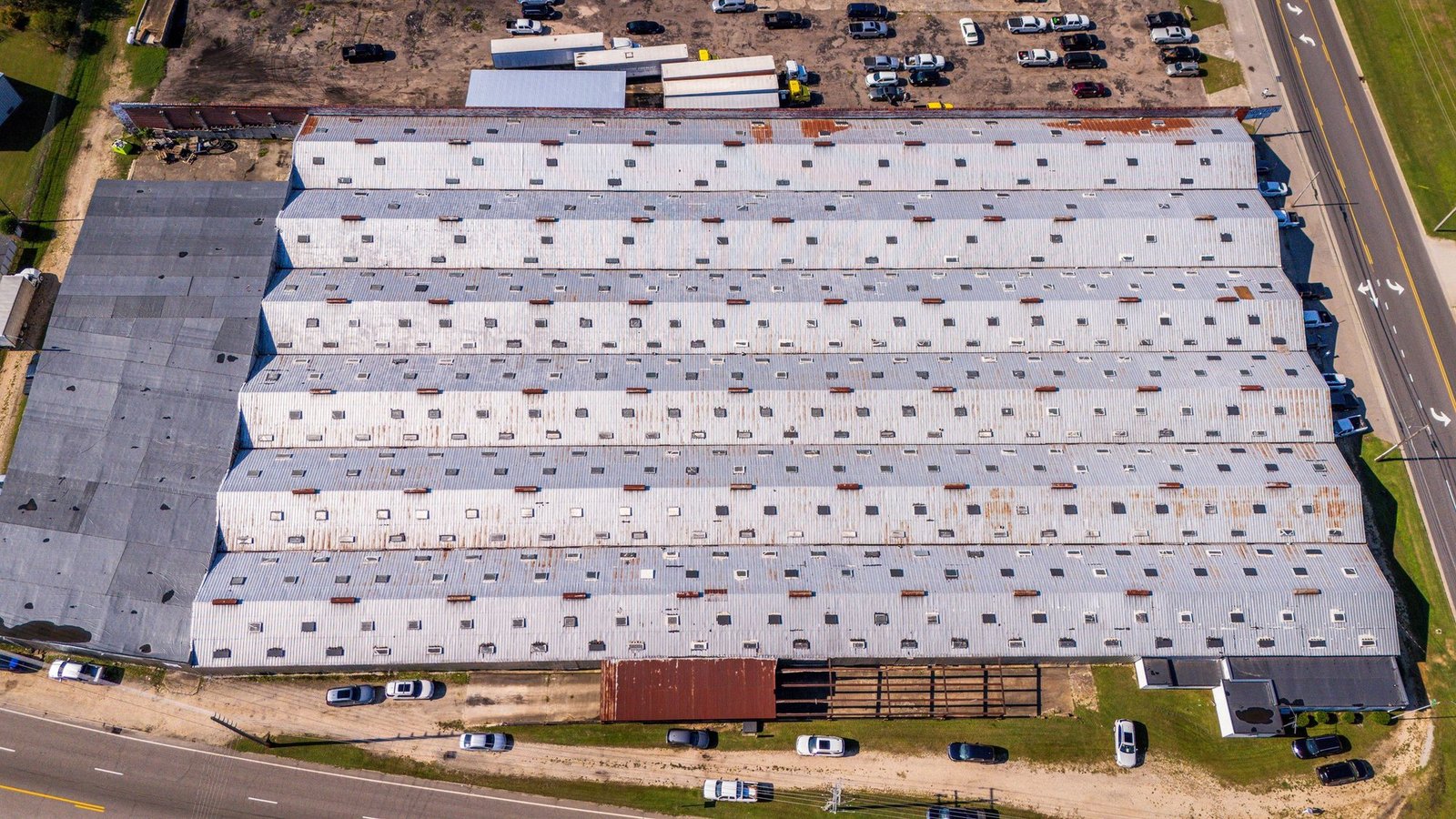
What this configuration supports
Typical configuration
The battery has to do two jobs that used to conflict: hold the process up when the grid fails, and trim the peak that sets the demand charge. Running in parallel with the generators is what makes the configuration work.
— Design note: critical-load ride-through with peak shaving
How the order is executed
The terms below apply to the batteries and hardware in this configuration. Voltage, capacity, quantity and destination are written into the quotation, and the items below are confirmed in writing before production.
| Minimum order | 20 units per model for a production order. Single units are available as paid evaluation samples, credited against your first production order. |
| Lead time | 25 days after the deposit is received for a standard batch. Tooling, custom BMS or project-specific capacity is scheduled separately and confirmed on the quotation. |
| Payment | T/T: 30% deposit with the order, balance against the bill of lading copy. |
| Shipment | Tell us the destination port or door. The quotation states the Incoterm and the freight option we are quoting, so the delivered cost is comparable across suppliers. |
| Packing | Packed to the packing instruction applying to UN3480 or UN3481, terminals protected, lithium battery mark and hazard label applied, pallets strapped and shrink-wrapped. |
| Documents with the goods | Packing list, commercial invoice, MSDS, UN38.3 test summary and report, shipper’s declaration for dangerous goods, and the bill of lading or air waybill. |
| Per unit | Datasheet for your model and the end-of-line test record for that serial number. |
| Warranty | 3–5 years, depending on model, written into the contract. |
| HS classification | Lithium-ion accumulators, heading 8507.60. The national tariff line and duty rate are confirmed against your destination before the order is placed. |
Documents: Packing and shipping document checklist · 随报价提供 · BMS protocol mapping note · 随报价提供
How to verify before ordering
- Load model built from your interval data, with every assumption listed
- General arrangement drawing, cable schedule, earthing and protection coordination note
- Protection setpoint review against your single-line diagram
- UN38.3 test summary report and transport documents
- Commissioning scope, including a switching sequence for the backup function
Models that fit this scenario
Every figure in these tables is published on the matching product page. Voltage, capacity, enclosure and connector can be re-rated for your project.
Commercial & Industrial Energy Storage
| Application / load | Voltage platform & capacity | Current & thermal design | BMS & communication |
|---|---|---|---|
| Factories, telecom sites and commercial buildings on peak shaving and demand charge management | 100 kWh / 50 kW cabinet · battery-only DC cabinet, 51.2 V DC bus (16S), paired with an external 50 kW PCS or DC-coupled PV inverter | 0.5C continuous charge and discharge; forced-air cooling; IP54; DC round-trip efficiency 88%-90% | Three-level BMU / BCU / BAU protection with aerosol fire suppression; CAN / RS485 / Ethernet (Modbus TCP for EMS and SCADA) |
| Industrial parks and mini-grids with a 10-foot footprint | 215 kWh liquid-cooled container · 768 V DC bus (240S), 100 kW | 0.5C continuous; liquid cooling holding cell temperature difference below 3 °C; IP54; 89%-91% | Perfluorohexanone or aerosol suppression with gas, smoke and temperature detection; CAN / RS485 / Ethernet, IEC 61850 optional |
| Large parks and grid-side projects needing battery and PCS in one enclosure | 500 kWh / 250 kW container · 1331.2 V DC bus (416S), 250 kW PCS and EMS integrated in a 20-foot container | 0.5C continuous; liquid cooling with redundant circulation pumps; IP54; 89%-91% | Grid-tied, off-grid or diesel generator support; CAN / RS485 / Ethernet, IEC 61850 optional; explosion-proof pressure relief |
Have a similar project?
Tell us your site, load and volume and we will come back with a configuration and price.