
Home Storage Standardised for Off-Grid and Weak-Grid Households
Off-grid and weak-grid households cycle their storage every day, powering a fridge, lighting, a television and phone charging through the evening, usually on a mix of lead-acid and short-life lithium packs. Failures trace back to mismatched chargers or wrong charge settings as often as to the cells, and sites are spread out, so every avoidable service visit matters. We standardise this segment on the YD-HS series wall-mount LiFePO4 platform with the YD-HY hybrid inverter family, so usable capacity matches the design assumptions and faults can be triaged from BMS data before anyone travels.
Illustrative application scenario, based on the requirements we quote for. It does not represent a named customer or a completed reference project.

Off-Grid & Weak-Grid Residential Storage
What this site limits
- System size follows the worst month of the year, not the annual average yield
- Inverter surge rating has to cover pump and refrigeration start-up, not only the running load
- Charging from a weak grid needs wide input tolerance and no back-feed to the grid
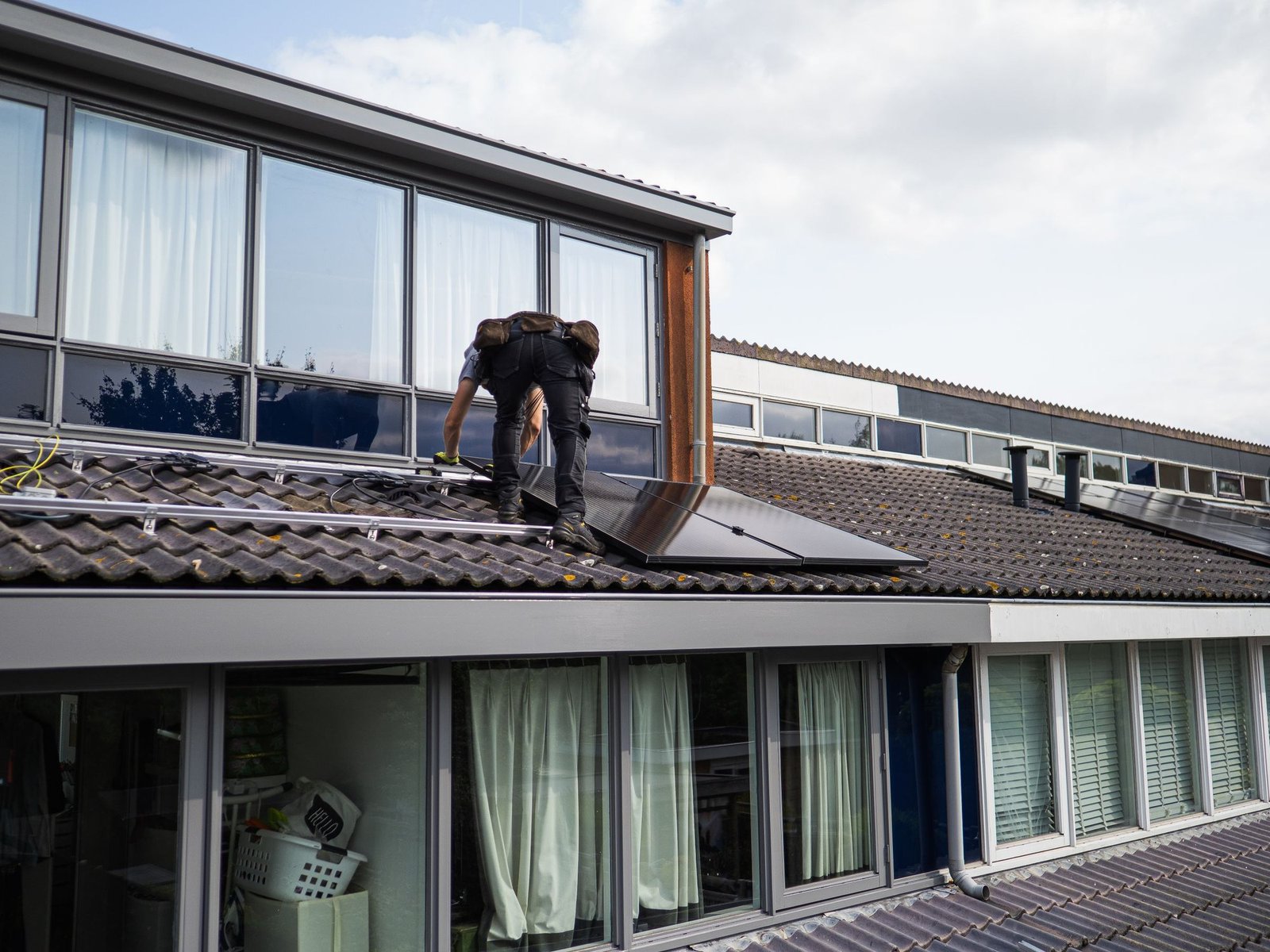
- Installation is done by local technicians, so wiring and labelling follow one printed diagram
- Units must be movable by hand or light cart where there is no vehicle access
The challenge
Our solution
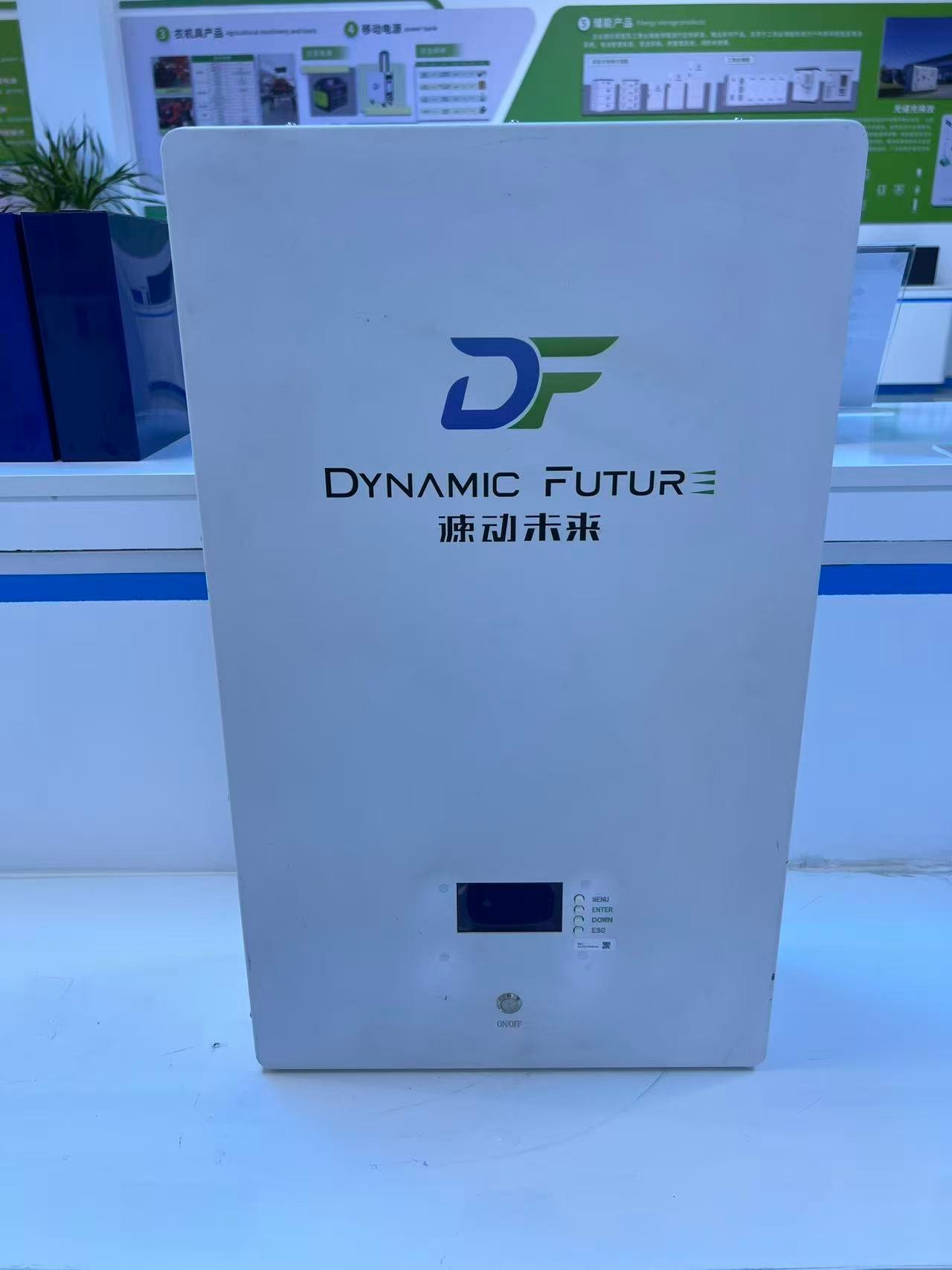

What this configuration supports
Typical system configuration
On a first-line call, the BMS history is the first thing to read: it tells the service team whether a site visit is needed or a charge parameter should be adjusted instead.
— Service workflow note, residential storage installations
How the order is executed
The terms below apply to the batteries and hardware in this configuration. Voltage, capacity, quantity and destination are written into the quotation, and the items below are confirmed in writing before production.
| Minimum order | 20 units per model for a production order. Single units are available as paid evaluation samples, credited against your first production order. |
| Lead time | 25 days after the deposit is received for a standard batch. Tooling, custom BMS or project-specific capacity is scheduled separately and confirmed on the quotation. |
| Payment | T/T: 30% deposit with the order, balance against the bill of lading copy. |
| Shipment | Tell us the destination port or door. The quotation states the Incoterm and the freight option we are quoting, so the delivered cost is comparable across suppliers. |
| Packing | Packed to the packing instruction applying to UN3480 or UN3481, terminals protected, lithium battery mark and hazard label applied, pallets strapped and shrink-wrapped. |
| Documents with the goods | Packing list, commercial invoice, MSDS, UN38.3 test summary and report, shipper’s declaration for dangerous goods, and the bill of lading or air waybill. |
| Per unit | Datasheet for your model and the end-of-line test record for that serial number. |
| Warranty | 3–5 years, depending on model, written into the contract. |
| HS classification | Lithium-ion accumulators, heading 8507.60. The national tariff line and duty rate are confirmed against your destination before the order is placed. |
Documents: Packing and shipping document checklist · provided with your quotation · BMS protocol mapping note · provided with your quotation
How to verify before ordering
- Design sheet showing the load profile, the sun hours assumed and the autonomy days used
- Evaluation unit with its factory inspection record
- Cell capacity, resistance and balancing data from the sorting record
- UN38.3 test summary report and MSDS for the shipment
- Installation and commissioning note with wiring diagram and protection settings
Models that fit this scenario
Every figure in these tables is published on the matching product page. Voltage, capacity, enclosure and connector can be re-rated for your project.
Residential Energy Storage
| Application / load | Voltage platform & capacity | Current & thermal design | BMS & communication |
|---|---|---|---|
| Household daily use and solar self-consumption | 5.12 kWh wall-mounted battery · 51.2 V, 100 Ah (16S1P) | Maximum continuous charge current 50 A; IP20 wall cabinet; -20 °C to +60 °C | Cell voltage and temperature monitoring; CAN / RS485, Bluetooth optional, display or app, dry contacts for generator or load control |
| Homes and small shops needing two days of backup | 10.24 kWh stackable system · 51.2 V, 200 Ah (16S2P) | Charge current 100 A; IP20 stacked cabinet with inter-module connectors | Same BMS set as the 5.12 kWh unit; CAN / RS485, Bluetooth optional |
| Villas and larger homes with a hybrid inverter | 15 kWh rack-mounted ESS · 51.2 V, 300 Ah (16S3P) | Charge current 150 A; 19-inch cabinet with front service access, IP20 | Cell voltage and temperature monitoring; CAN / RS485, Ethernet and Wi-Fi optional |
Have a similar project?
Tell us your site, load and volume and we will come back with a configuration and price.